When I think about the most underserved areas of recovery support, sexual reintegration sits right at the top. We talk endlessly about staying clean, managing cravings, rebuilding relationships with family and friends—but we rarely discuss how to rebuild the relationship with our own bodies and sexuality. For those of us coming out of chemsex, this gap feels especially profound. Quitting meth might actually be the easier part. What comes after—facing the trauma, the shame, the damaged neural pathways that have tangled sex and substances together—that's where many of us struggle in silence.
I've watched countless men in recovery avoid this conversation entirely, convinced that sober sex will be boring, vanilla, impossible. Some can't get their libido back. Others can't achieve or maintain an erection. Many have been sexually traumatized during their use—taken advantage of with GHB, coerced into acts they didn't consent to, or worse, became predatory themselves under chemical influence. The shame around all of this runs deep, and resources that directly address sexual healing remain frustratingly scarce.
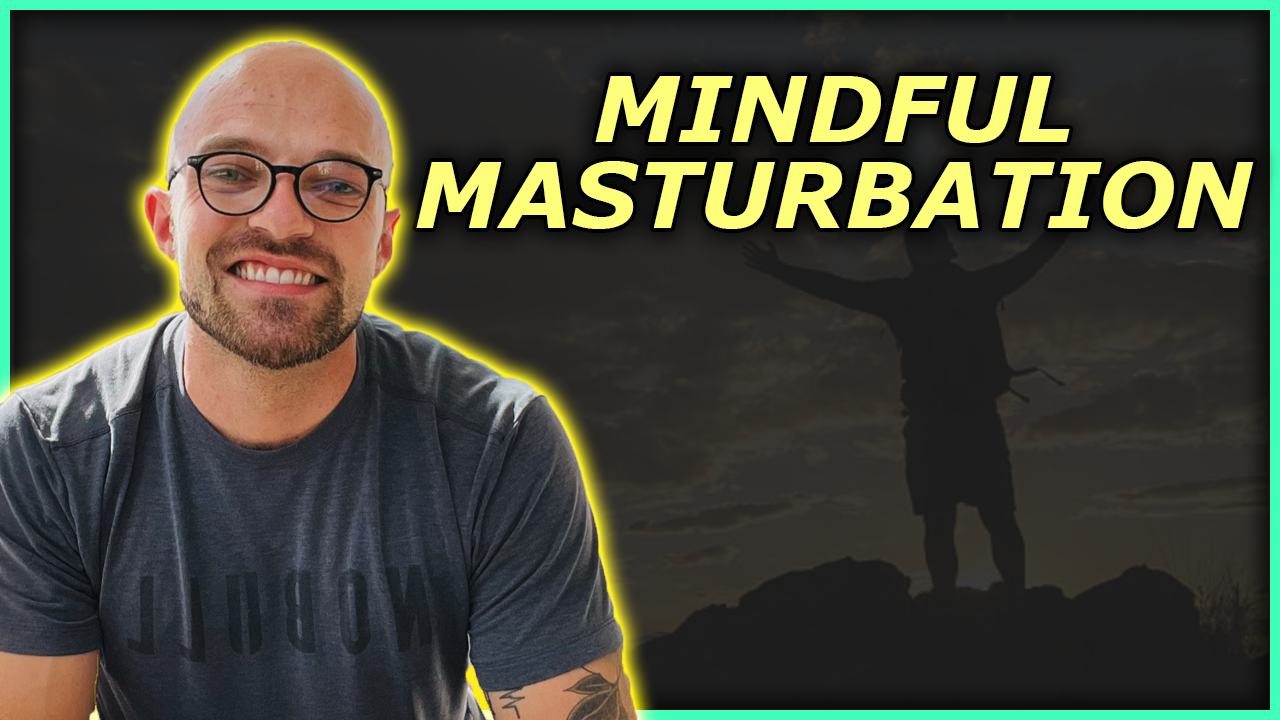
That's why I invited Coach Kevin Martin, now known as the Pleasure Priest, back to the podcast. Kevin is doing something brave and necessary: he's creating explicit, instructional content about self-pleasure and sexual consciousness. Not porn for entertainment, but actual modeling of mindful practice. In a landscape where social media censors anything remotely related to sex education and recovery, Kevin is finding creative ways to reach people who desperately need this information. Our conversation isn't just about masturbation—it's about reclaiming agency over your body, untangling trauma from pleasure, and learning that recovery includes joy, not just abstinence.
The Missing Piece in Recovery Resources
Anyone who has navigated the chemsex recovery landscape knows the standard advice: attend meetings, get a sponsor, work the steps, avoid triggers. All valuable, all necessary. But there's a gaping hole when it comes to sexual reintegration. Kevin points out that whenever the topic of sexual recovery appears in literature or podcasts, mindful masturbation gets mentioned as a recommendation—but rarely with any specificity about what it actually means or how to practice it.
The problem runs deeper than just lack of information. Our culture has conditioned us, particularly as gay men, to view masturbation as something quick, transactional, and slightly shameful. You pull out your phone, load up whatever porn is available, and "rub one out" as efficiently as possible. Maybe it's part of your morning routine, your before-bed ritual, or a midday stress reliever. The entire experience often happens on autopilot, disconnected from your body and driven by habit rather than genuine desire or pleasure.
For those recovering from chemsex, this disconnected approach to sexuality carries extra complications. Meth and sex have become neurologically linked in the brain. Getting horny triggers cravings to use. The memory of marathon sex sessions creates a standard that sober sexuality feels unable to match. Meanwhile, the trauma accumulated during active use—the boundary violations, the dissociation, the predatory behaviors both experienced and enacted—all of this remains unprocessed in the body.
Reflective Question: When you think about your current relationship with masturbation and self-pleasure, what patterns do you notice? Is it something you do consciously and intentionally, or has it become automatic and disconnected?
Understanding Mindful Masturbation
At its core, mindful masturbation means bringing consciousness and intention to self-pleasure. Kevin describes it beautifully: it's about being intentional with why you're engaging in the practice right now, rather than operating on autopilot. This doesn't mean every masturbation session needs to be a two-hour tantric ritual. Sometimes a quick release serves a legitimate purpose—stress relief, help falling asleep, or simple physical maintenance. The key difference is awareness.
Kevin emphasizes that our reasons for masturbating matter more than most of us realize. If we're consistently using it to escape uncomfortable emotions, avoid difficult conversations, or numb ourselves to stress, we've essentially created another avoidance mechanism. For people in recovery from substances, this pattern should feel familiar. We used drugs to avoid feeling. If we simply transfer that same avoidance to other behaviors—whether it's masturbation, eating, shopping, or endless scrolling—we haven't actually addressed the underlying issue.
This is where the concept of "checking in with yourself" becomes essential. Before engaging in any sexual activity, including masturbation, Kevin suggests pausing to ask: "What's happening right now? What do I actually need?" Sometimes the answer will still be sexual release, and that's perfectly fine. But other times, the body might be signaling something different—a need for connection, for rest, for physical movement, or for processing an emotion. Learning to distinguish between these needs represents a fundamental shift in how we relate to ourselves.
The beauty of mindful masturbation as a practice is that it's entirely private and safe. You're not navigating another person's needs, boundaries, or judgments. You're not performing for anyone. This makes it an ideal training ground for learning how to be present with your own body, to listen to its signals, and to honor what it's communicating. These skills then transfer to partnered sex, but also to eating, exercising, managing cravings, and nearly every other aspect of conscious living.
Journal Prompt: Reflect on a recent time you masturbated. What were you feeling beforehand? What need were you trying to meet? Did the experience actually satisfy that need, or did you feel the same (or worse) afterward?
Shifting from Productive to Present
One of the most challenging mindset shifts in mindful masturbation involves releasing the goal of orgasm. In our productivity-obsessed culture, even pleasure has become outcome-oriented. We measure success by whether we "finished," how quickly we got there, and how intense the climax was. Kevin challenges this entire framework by suggesting that sometimes the most powerful masturbation sessions are the ones that don't end in orgasm at all.
This idea often triggers immediate resistance. What's the point of masturbating if not to come? But Kevin explains that making orgasm the goal keeps us future-focused rather than present. We rush through the experience, barely registering sensations along the way, fixated on the endpoint. This mirrors how many of us approached sex while using—constantly chasing the next high, the next position, the next extreme sensation, never quite satisfied with the present moment.
Mindful masturbation invites a radical reorientation: the goal is pleasure itself, not orgasm. The goal is being present in your body, noticing what feels good, exploring sensations with curiosity rather than urgency. When you remove the pressure to perform—even for yourself—something interesting happens. Your nervous system can relax. Your awareness can expand. You might discover that your body has wisdom you've been ignoring for years.
Kevin shares practical techniques for slowing down the experience. One method involves the "12 deep strokes" exercise, where you consciously count twelve slow, deliberate strokes, then pause. You might switch hands, try using your non-dominant hand, or simply rest and breathe. This interruption of your usual pattern forces presence. Your brain can't zone out when you're actively counting and changing your approach. The awkwardness of using your non-dominant hand—like trying to write with your opposite hand—keeps you engaged with what's happening rather than dissociating into fantasy or habit.
Another powerful technique Kevin mentions is edging, but approached mindfully rather than as a way to intensify orgasm. When you feel yourself getting close to climax, you stop completely. You breathe. You notice what's happening in your body—the tension, the building energy, the desire to push forward. Then you consciously choose to stay in this heightened state without tipping over into release. This practice builds profound awareness of your arousal patterns and creates a sense of agency over your sexual responses.
Action Exercise: The next three times you masturbate, set a timer for 15 minutes. Your only goal is to explore sensation and pleasure in your body for the full time. If you orgasm before the timer ends, keep going—keep touching, keep exploring. Notice what it feels like to stay present even after orgasm.
Practical Foundations: Setting, Breath, and Exploration
Kevin emphasizes that mindful masturbation works best when you create an intentional environment. This doesn't require an elaborate setup, but it does mean eliminating distractions. No phone within reach. No devices nearby that might interrupt with notifications. No porn playing in the background. This is time dedicated to being with yourself, not performing for or consuming content about others.
Music can be a helpful tool for setting tone and maintaining presence. Kevin often uses instrumental music because lyrics can pull attention away from bodily sensations and into narrative. The right music creates an atmosphere that supports whatever intention you've set—whether that's sensual exploration, emotional release, or simply relaxing into pleasure. You might experiment with different genres and tempos to discover what helps you stay present and connected.
Breath serves as the foundation of the entire practice. Before even beginning to touch yourself sexually, Kevin suggests starting with breath work. Place your hands on your chest and belly. Breathe deeply enough that you feel your hands rise and fall. This simple act brings you into your body and activates your parasympathetic nervous system—the part responsible for rest, digestion, and yes, sexual response. Many people in recovery carry chronic tension and stress in their bodies. Learning to consciously relax through breath creates the conditions for genuine pleasure rather than just mechanical release.
Once you're breathing consciously and feeling present, the exploration begins—and this is where mindful masturbation most clearly diverges from typical masturbation. Instead of immediately going to your genitals, you start anywhere on your body. Run your fingertips along your arms, your shoulders, your chest. Touch your face, your neck, your thighs. The invitation is to discover or rediscover your entire body as a source of pleasure, not just your penis.
Kevin shares a common revelation from this practice: many men discover erogenous zones they didn't know they had. Nipples they thought were "paralyzed" and insensitive suddenly respond when touched in a new way, with different pressure or rhythm. Armpits, inner thighs, the small of the back—all these areas might hold unexpected pleasure when you're actually paying attention. This exploration helps rebuild a holistic relationship with your body rather than seeing it as simply a vehicle for genital stimulation.
The practice also addresses a crucial element of chemsex recovery: learning what you actually like sexually, separate from what drugs told you to like. When Kevin asks, "What does feel good for you?"—not what you think should feel good, not what worked during high sex, but what genuinely creates pleasure in your body right now—many people realize they have no idea how to answer. Mindful masturbation becomes the laboratory for that discovery.
Reflective Question: When you imagine touching yourself for pleasure without immediately focusing on your genitals, what comes up? Curiosity? Impatience? Boredom? Fear? What might those reactions be trying to tell you?
Working Through Resistance and Frustration
Kevin acknowledges openly that the first several attempts at mindful masturbation will likely feel awkward, frustrating, or pointless. People often report trying it once, hating the experience, and immediately dismissing the practice as "not for them." This reaction makes perfect sense. Your brain has been wired through thousands of repetitions to masturbate in a specific way. When you suddenly change the pattern, your brain resists. It feels inefficient, wasteful, uncomfortable.
If you set out to practice for thirty minutes but can only tolerate fifteen before you're so frustrated you need to stop, that frustration itself becomes valuable information. Kevin encourages getting curious about what's bubbling up rather than judging the experience as a failure. What specifically felt frustrating? Was it the lack of porn? The slow pace? The feeling of wasting time? Each of these responses points to something deeper worth examining.
For many people, the frustration reveals how thoroughly they've internalized productivity culture—the belief that even pleasure needs to be efficient and goal-oriented. The idea of spending thirty minutes on self-pleasure without the guaranteed payoff of orgasm can trigger feelings of guilt or shame about "wasting time." This is precisely why the practice is so valuable. It challenges the capitalist conditioning that everything we do, including our most intimate moments with ourselves, needs to be productive and measurable.
Others find that slowing down and paying attention brings up difficult emotions or memories. When you're no longer using orgasm or fantasy as a numbing mechanism, whatever you've been avoiding has space to surface. This can include memories of sexual trauma, feelings of shame about your body, grief about intimacy lost to addiction, or rage at how you've been treated. Rather than seeing these emotions as obstacles to pleasure, Kevin frames them as essential parts of the healing process.
The key is patience and consistency. Just as you wouldn't expect to master a new language or instrument after one awkward attempt, you can't expect mindful masturbation to feel natural or rewarding immediately. Kevin suggests committing to the practice multiple times before deciding whether it's useful. Give yourself permission to be a beginner. Give yourself permission to feel awkward. Most importantly, give yourself permission to discover that your relationship with pleasure can evolve and deepen over time.
Action Exercise: After your next three mindful masturbation sessions, take five minutes to journal about what came up. Don't censor yourself. Write about the frustration, the boredom, the unexpected sensations, the intrusive thoughts—whatever your experience included. Look for patterns across the three sessions.
Beyond the Bedroom: Transfer Effects
One of the most compelling aspects of mindful masturbation is how the skills translate into other areas of recovery and life. When you learn to pause before automatically reaching for your phone and porn, to check in with yourself about what you actually need, to stay present with uncomfortable sensations rather than rushing toward release—these capabilities don't stay confined to your sexual practice.
Kevin points out that the same pattern of awareness applies to eating. When you feel a food craving, you can pause and ask, "Where is this coming from? What do I actually need right now?" Sometimes the answer is genuinely food. Other times, your body is signaling thirst, fatigue, boredom, or emotional hunger that no amount of snacking will satisfy. This level of discernment comes from practice, and mindful masturbation provides a safe, private space to develop it.
The connection to craving management in recovery is even more direct. Chemsex cravings are full-body experiences—not just thoughts about using, but visceral, sensational urges that can feel overwhelming. When you've practiced staying present with intense physical sensations during mindful masturbation, staying present with the intensity of a craving becomes more accessible. You've built the muscle of observing your body's signals without immediately acting on them. You've learned that you can tolerate discomfort without needing to escape it.
Kevin also notes how the practice improves communication in relationships. When you understand your own pleasure, boundaries, and needs more clearly, you can articulate them to partners. You know what you like and don't like. You've practiced advocating for your own experience rather than just going along with whatever's happening. This self-knowledge and self-advocacy are essential not just for better sex, but for healthier relationships overall.
Perhaps most importantly, mindful masturbation teaches presence—the ability to be here, now, in this body, with whatever is arising. This might sound simple, but for people who have spent years numbing, dissociating, and escaping their embodied experience, learning to inhabit yourself fully represents a profound shift. You can't heal what you can't feel, and you can't feel what you're constantly avoiding. Mindful masturbation offers a path back into your body, into sensation, into the possibility of pleasure that doesn't require drugs or disconnection.
Journal Prompt: Think about other areas of your life where you operate on autopilot—eating, spending money, using social media, etc. How might bringing more consciousness and intentionality to these activities change your experience? What would it mean to approach these moments with the same curiosity you bring to mindful masturbation?
Getting Started: A Simple Framework
If you're ready to experiment with mindful masturbation, Kevin's approach offers a straightforward starting point. First, set aside intentional time—ideally at least twenty to thirty minutes when you won't be interrupted. Turn off your phone completely or leave it in another room. Create an environment that supports presence: comfortable temperature, perhaps some music, low lighting if that helps you relax.
Begin with breath. Sit or lie down comfortably. Place your hands on your chest and belly. Breathe deeply enough that you feel movement under your hands. Do this for several minutes until you feel more grounded in your body. You might say to yourself, silently or aloud, "My pleasure is allowed. My pleasure is welcome." This simple affirmation can help counter years of shame messaging about sexuality.
When you're ready, start exploring your body with your fingertips. Touch anywhere that draws your attention. Notice textures, temperatures, and sensations. There's no goal to "turn yourself on" right now—you're simply discovering what your body feels like when you're paying attention. Your mind will wander. Thoughts will intrude. When you notice this happening, gently bring your attention back to the physical sensations in your body. This is the practice.
Eventually, you might touch yourself genitally, but approach it with the same curiosity and presence you brought to the rest of your body. Try different touches, pressures, and rhythms. Use your non-dominant hand if that helps keep you present. If you start to approach orgasm, consider pausing entirely. Breathe. Notice the sensations of arousal without needing to push them toward release. This isn't about denying yourself pleasure—it's about expanding your definition of what pleasure is.
After the session, take a few moments to reflect. What did you notice? What surprised you? What felt difficult? What felt good? There are no wrong answers. The value lies in the noticing itself, in the practice of paying attention to your experience without judgment. Over time, this practice rewires your relationship not just to masturbation, but to your body, your sexuality, and yourself.
Reflective Question: What resistance do you notice when you imagine trying mindful masturbation? What stories or beliefs come up about whether you have "time for this" or whether it's "worth it"? Where did those stories come from?
Action Exercise: Schedule your first mindful masturbation session in your calendar like you would any other important appointment. Treat it as non-negotiable time dedicated to your healing and pleasure. Before the session, write down one intention—not an outcome you're trying to achieve, but a quality you want to bring to the experience (curiosity, patience, kindness, presence, etc.).
Final Thoughts
I'm grateful to Kevin for doing this work publicly and for being willing to have this conversation so explicitly. Creating content about sexual healing and pleasure in recovery spaces requires navigating constant censorship, misunderstanding, and the risk of judgment. But the alternative—leaving people to figure this out alone, in shame, without guidance—is far worse.
If you're coming out of chemsex and struggling with sexual reintegration, please know that you're not alone in this experience. What you're feeling—the numbness, the dysfunction, the confusion, the grief—it's all part of the process. Your body can heal. Your capacity for pleasure can return. Your relationship with your sexuality can transform from something traumatic and compulsive into something conscious and joyful. But it requires patience, practice, and willingness to sit with discomfort.
Mindful masturbation isn't a magic solution, and it's certainly not the only tool you'll need for sexual recovery. But it offers something precious: a way to reconnect with your body on your own terms, at your own pace, without pressure or performance. It's a practice of coming home to yourself, which is ultimately what all recovery is about.
Be patient with yourself. Be curious. Be kind. And remember that learning to experience pleasure consciously, in your own body, without chemicals or dissociation—that's not just recovery. That's reclamation.
Love you!!
Dallas 💚


Responses