A Note from Dallas
One of the questions I hear most often — and one that never gets old — is: how do I build a social life after chemsex? It sounds simple, but for those of us who built our entire world around the scene, it's one of the most disorienting parts of recovery. Where do we go? Who do we connect with? And how do we do any of that without it feeling like a trap?
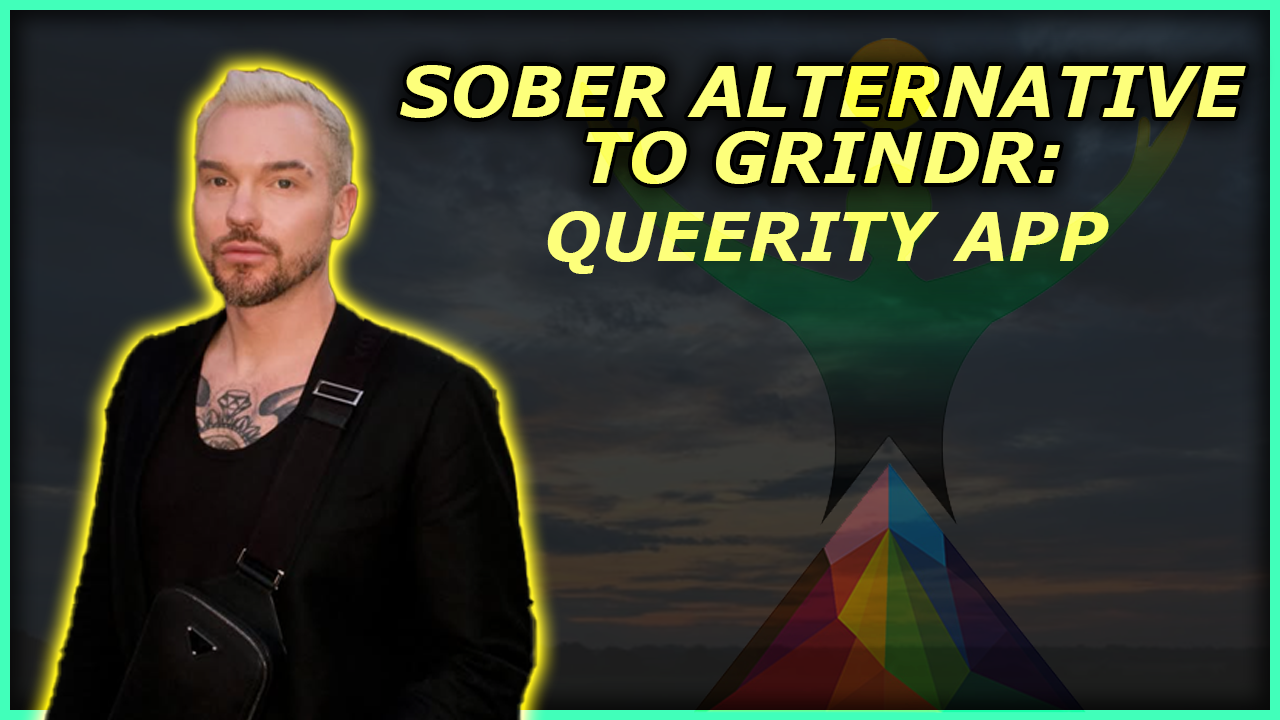
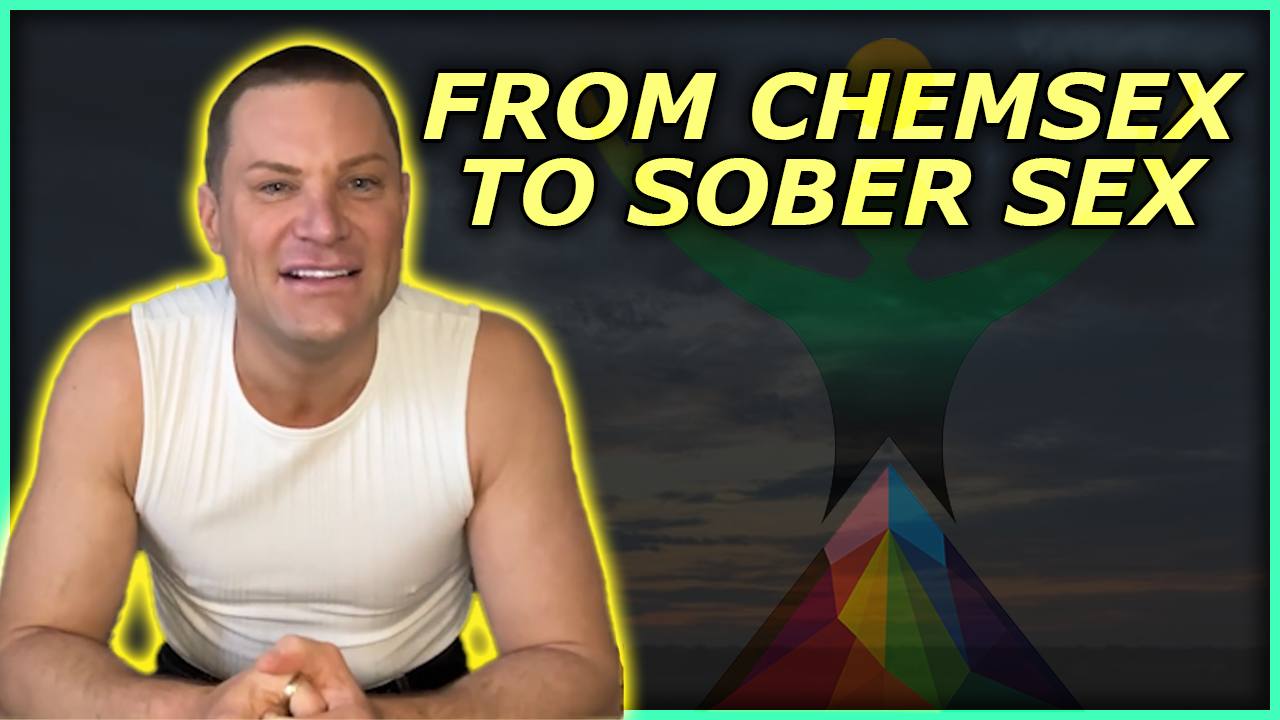
That's exactly why this conversation with Jordan Hurt lit me up. Jordan is a New York City real estate professional, cast member on Netflix's Owning Manhattan, and the founder of Queerity — the world's first sober LGBTQ+ social, lifestyle, and dating app. He went public with his recovery on national television because he believed that representation matters. And he was right.
This episode is about more than an app. It's about what we do with our stories, what community really looks like in sobriety, and how we navigate intimacy and connection on our own terms. I think you're going to get a lot out of it.
About Jordan Hurt
Jordan Hurt is a New York City-based real estate professional and LGBTQ+ recovery advocate. He has been featured as a lead cast member on the Netflix series Owning Manhattan, where he publicly shared his sobriety journey in Season 2. Motivated by a belief that a platform without purpose is pointless, Jordan channeled his visibility into action — co-founding Queerity, the world's first sober LGBTQ+ social, lifestyle, dating, and hookup app. Jordan's work sits at the intersection of recovery, queer identity, and community building.
The Weight of Representation
For a lot of us, growing up queer meant learning early that we didn't fit the picture. Jordan came out at 13 in Toledo, Ohio — before smartphones, before visible community, before there was much of anything to hold onto. What he did have were substances. Alcohol and weed became armor, escape, and social lubricant all at once. It worked, until it didn't.
What Jordan's story reflects is something many LGBTQ+ people in chemsex recovery will recognize: substance use didn't begin with the scene. For many, it began much earlier — as a survival strategy in environments that were hostile, indifferent, or simply unprepared to support a queer kid finding his way.
Representation is part of why this matters so much. When Jordan chose to go public with his sobriety on a Netflix reality show, he was doing something quietly radical. The dominant image of queer life in media — and even in our own communities — has long been the party. The rave. The scene. Jordan stepped into that space and offered a different image: a gay man who is sober, visible, and thriving.
That act of visibility has a cost and a ripple effect. It invites others to see themselves. And for those of us in chemsex recovery, being seen — honestly, fully, without shame — is no small thing.
A Platform Without Purpose Is Pointless
Jordan didn't stop at sharing his story. He built something. Queerity grew from a simple question: where do sober queer people actually go to connect?
The mainstream apps weren't designed with us in mind. As Dallas noted in the episode, Grindr's algorithm can actively work against recovery — surfacing party-adjacent connections the moment certain language appears. The infrastructure of the scene is baked into the tools most of us reach for first.
Queerity is designed as an alternative. It includes the things you'd expect from any social or dating app — profiles, preferences, kink filters, sexual identity options — alongside recovery-specific features like daily wellness check-ins, mood and craving tracking, community events pages, and listings for sober venues. Users can identify as sober, sober curious, in recovery, or prefer not to say. It is deliberately not 12-step-centric, because Jordan understood that recovery looks different for everyone.
The app is also explicitly sex-positive. This is important. One of the most complex and under-discussed parts of chemsex recovery is sexual reintegration — figuring out who you are sexually when the substance is no longer part of the equation. What did you like before meth? What did you discover during chemsex that you actually want to keep? What's worth exploring now? Queerity creates space for those questions to be answered in connection with others, rather than in isolation or on platforms that weren't built for your healing.
Jordan's approach reflects something worth sitting with: purpose doesn't have to mean starting a nonprofit or founding an app. It means asking what you have, what you've been through, and how that could serve someone else. That question is available to every person in this community.
Recovery and Identity After the Scene
Jordan's story is also a story about identity — about who you are when the scene no longer defines you. He was raised around alcoholism. He came out young in a hostile environment. He found community in substances. And then, in sobriety, he had to reconstruct a sense of self that wasn't built on any of that.
This is familiar territory for LGBTQ+ men recovering from chemsex. The scene often provided more than just a high — it provided belonging, sexual freedom, social connection, and a version of queer identity that felt electric and alive. Recovery can feel like losing all of that at once.
What Jordan's story suggests is that the rebuilding is possible, and that it doesn't require abandoning everything. The parts of yourself you found in the scene — your sexuality, your desires, your hunger for community — those don't have to be casualties of recovery. They can be reclaimed, refined, and expressed in new ways. That's not a small thing. That's the whole work.
Reflective Questions
- When you imagine a social life without substances, what's the first feeling that comes up — excitement, grief, fear, relief? What does that feeling tell you?
- Have you ever seen yourself — honestly and fully — represented in queer media, culture, or community? What has the absence of that representation cost you?
- What does "sober queer community" mean to you? Does it feel possible? Does it feel desirable?
- Thinking about the apps and platforms you've used, how much have they supported your recovery versus complicated it? Have you ever considered how intentional the design of those spaces might be?
- If someone offered you Jordan's question — what can you do with your story? — what would your honest answer be right now?
Journal Prompts
- Jordan went public with his recovery on national television. You don't have to do that — but what would it mean to be honest about your recovery with even one person in your life who doesn't know? What's holding you back, and what might become possible?
- Write about the social world you built around chemsex. What did it give you that you genuinely valued? What are you still grieving the loss of, even if you know leaving was right?
- "A platform without purpose is pointless." What is your platform — however small — and what purpose could it hold? This could be your voice, your experience, your job, your friendships, your creative work.
- Think about sexual reintegration: who are you sexually in sobriety? What do you want to keep, explore, or release? Write without editing yourself.
- Write about a moment — real or imagined — where you felt genuinely connected to other queer people without substances involved. What made it feel safe? What would you need to have more of that?
Action Exercises
- Download and explore Queerity. Create a profile, even a bare-bones one, and spend 20 minutes exploring the community. Notice what comes up — curiosity, resistance, hope, skepticism. You don't have to connect with anyone yet. Just get familiar with what sober queer space can look like.
- Audit your apps. Take a look at the apps currently on your phone. For each one, ask honestly: does this support where I'm trying to go, or does it pull me back toward where I've been? You don't have to delete anything — just notice.
- Identify one person in your life who knows your real story. If that person doesn't exist yet, identify one person you trust enough to begin telling it to. Take one step — a text, a call, a coffee — toward that conversation this week.
- Map your purpose. Take 10 minutes and write down three things you've learned from your recovery that someone still in the thick of it might need to hear. You don't have to do anything with this list. But let it exist.
- Find one sober queer event or space in your area — a meeting, a social, a sober bar, an online community. Put it in your calendar. Showing up once counts.
Closing Reflection from Dallas
I'll be honest with you — I think this episode is about loneliness as much as it's about an app. Because the question underneath where do I find community is usually is there a place for me? And I want you to hear this clearly: yes. There is.
You don't have to go back to the scene to be a full, sexual, connected, queer human being. You don't have to choose between your recovery and your identity. Jordan is proof of that. And so are a lot of the people finding their way to this podcast.
If this episode stirred something in you, I'd love to hear from you. Come find me at drdallasbragg.com — whether you're curious about coaching, want to explore the Recovery Alchemy program, or just need somewhere to start.
You belong somewhere. Let's find it together.
Love you, Dallas 💚
Responses